
In import-export and international logistics, cargo missing the vessel schedule is far from rare. A vessel pushed back by just a few days can trigger a chain of consequences such as delayed delivery, storage costs and container fees. So why do shipments miss the vessel schedule? Do the causes lie with the shipping line, the port or the business itself? More importantly, how can you limit the risk and handle the situation effectively when it arises? Let's explore this in detail in the article below.
What Is a Vessel Delay?
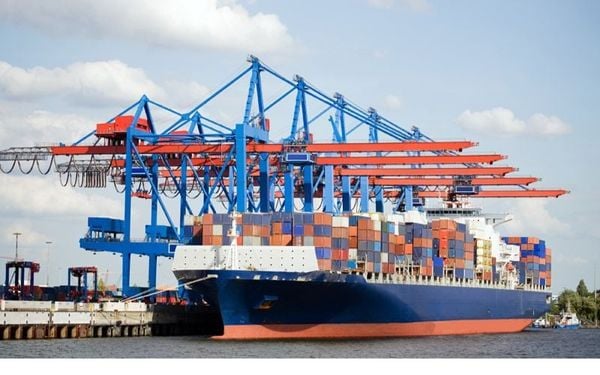
A vessel delay is when a ship does not depart or arrive according to its published schedule. This change can occur at the export port, the transshipment port or the destination port. The delay may be only a few hours, a few days or even a few weeks, depending on the cause and the shipping route.
The Impact of Cargo Missing the Vessel Schedule
A vessel delay does not just prolong transit time; it also causes many other effects, such as:
- Delayed delivery to customers.
- Storage and yard costs.
- Higher container fees (Demurrage and Detention).
- Disruption to the customer's production plan.
- Additional inland transport costs.
- The risk of penalties for late delivery under the contract.
- Reduced credibility with international partners.
For seasonal goods or goods with a short shelf life, a vessel delay can cause significant losses.
1. Bad Weather
This is one of the most common causes.
Phenomena such as storms, tropical depressions, high waves, dense fog and strong winds can force a vessel to change its route or suspend operations to ensure safety. In many cases, the schedule is adjusted once weather conditions stabilize.
2. Port Congestion
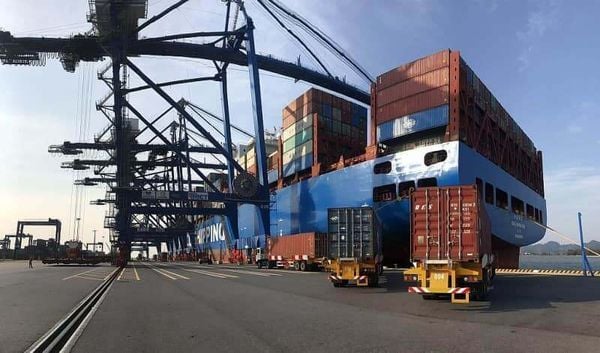
When the number of vessels calling at a port exceeds its handling capacity, ships must wait for a berth to load and unload. This often happens at large transshipment ports, during peak import-export seasons, at year-end and when transport demand surges. Port congestion can delay a vessel from a few hours to several days.
3. Shortage of Containers or Space on the Vessel
During peak periods, transport demand rises quickly, leading to a shortage of empty containers, a shortage of slots (space) on the vessel, and shipping lines prioritizing shipments booked early. If a business books late or fails to confirm the booking on time, the goods may be rolled to the next vessel.
4. Delays in Completing Customs Procedures
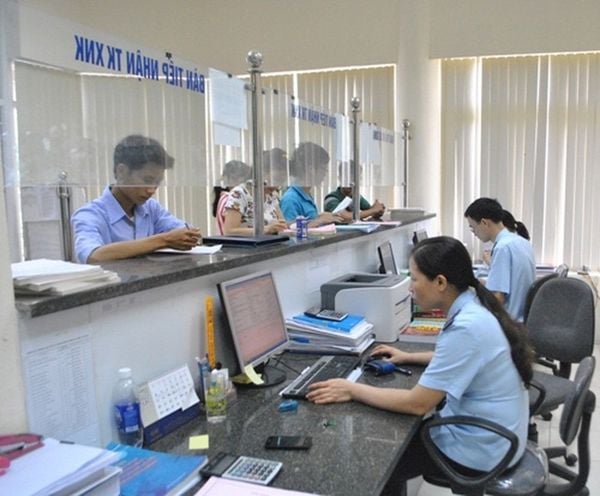
One cause originating from the business side is failing to complete customs procedures before the closing time. Common situations include:
- Missing or incorrect documentation.
- Inaccurate declaration.
- The declaration being routed to the red channel.
- Late tax payment.
- Waiting for a specialized license.
If clearance is not completed in time, the container will not be loaded onto the vessel as planned.
5. Delays in Packing and Delivering the Container to the Port
Businesses must bring the container into the port before the shipping line's specified time. If production, packing, counting or inland transport is delayed, the container may miss the closing time and have to wait for the next vessel.
6. The Shipping Line Adjusts the Schedule
To optimize operations, shipping lines may change the route, the order of port calls, arrival times and departure times. These adjustments are usually made to ensure operational efficiency or to respond to objective factors.
7. Technical Failures or Maritime Accidents
Some rare but high-impact situations include: engine failure, machinery breakdowns, collisions at sea, loading equipment failures and incidents at the port. These situations can disrupt a vessel's schedule for a long time.
8. Security or Customs Inspections
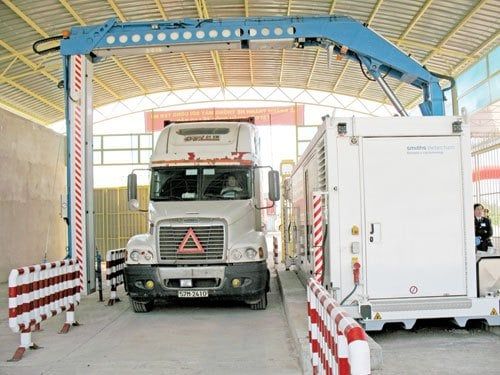
Some shipments or vessels may be subject to additional inspection by Customs, security agencies, quarantine agencies and specialized management agencies. Such inspections ensure compliance with regulations but can also prolong loading, unloading and transport times.
How to Handle Cargo That Misses the Vessel Schedule
Proactively Update Information
Businesses should regularly monitor the vessel schedule, notices from the shipping line, updates from the Freight Forwarder and container status. Grasping information early helps you adjust the delivery plan in time.
Notify the Customer
If you determine the goods will be delivered late, notify the customer and partners early so you can agree on a way forward together. Transparent communication helps maintain trust and reduce disputes.
Prepare Documents Early
Complete all of the following in full: invoice, packing list, bill of lading, Certificate of Origin (C/O) and specialized licenses (if any). This helps avoid clearance delays caused by missing documents.
Book the Vessel Early
During peak season, businesses should book 1–3 weeks in advance (or earlier depending on the route) to improve the chances of securing space and to have backup options if the schedule changes.
Work with a Reputable Freight Forwarder
A Freight Forwarder can:
- Monitor the vessel schedule continuously.
- Propose alternative routes.
- Help change the booking when needed.
- Coordinate with the shipping line to update information quickly.
- Advise on suitable transport options.
This is a solution that helps businesses minimize risk and save handling time.
How to Limit the Risk of Vessel Delays
To reduce the risk of being affected by a schedule change, businesses should:
- Plan shipments early.
- Track the closing time of each shipping line.
- Allow buffer time for customs procedures.
- Prepare complete documentation before the shipment date.
- Choose reputable shipping lines and Freight Forwarders.
- Monitor weather information and port conditions.
- Have backup transport options for important orders.
Being proactive at every stage helps businesses significantly reduce the risk of late delivery.
Conclusion
Cargo missing the vessel schedule is a risk that is hard to avoid in logistics operations. However, most of the negative impact can be minimized if businesses proactively plan, prepare complete documentation, book early and work with an experienced logistics provider. Understanding the causes and how to handle cargo that misses the vessel schedule helps you control delivery timelines, limit additional costs and enhance your reputation. In the context of the global supply chain, being proactive and flexible is the key to efficient, sustainable import-export operations.
If you are having difficulty with import-export customs procedures, contact Embassy Freight right away via Hotline: 0901 860 743 for the earliest possible consultation and quotation!
Need a shipping and import-export quotation?
Embassy Freight provides sea freight, air freight, customs declaration and turnkey import-export outsourcing. Get a free quote or explore our services.