🔍 1. What Is Customs Physical Inspection?
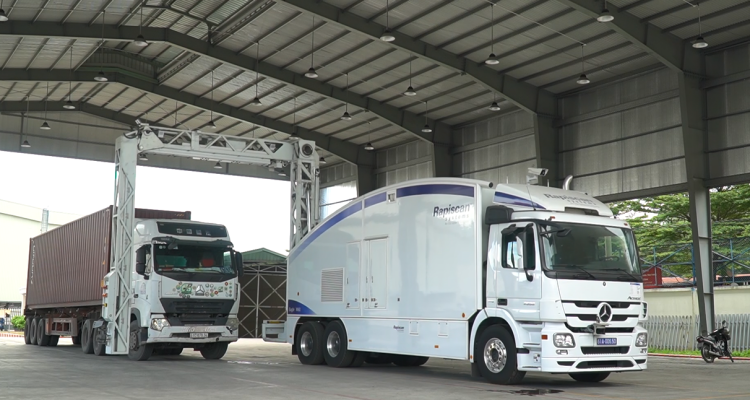
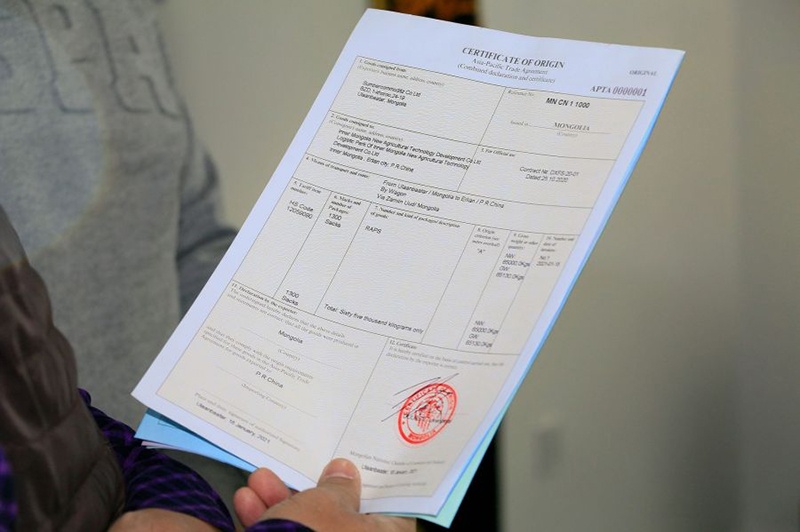
Physical inspection is the actual examination of goods carried out by the customs authority in order to:
- Compare the actual goods against the information declared on the customs declaration.
- Detect discrepancies or violations in type, quantity, origin or value.
- Prevent trade fraud, smuggling or the import of prohibited goods.
It is an important tool for managing risk and ensuring legal compliance in import-export operations.
📦 2. When Are Goods Physically Inspected?
Not every shipment is physically inspected. Whether an inspection takes place is determined by the customs declaration channelling system, which includes:
- ✅ Green channel – Exempt from inspection: the goods are cleared immediately, with no check of documents or actual goods.
- 📄 Yellow channel – Document check: customs examines the paperwork but does not inspect the actual goods.
- 🚨 Red channel – Physical inspection of goods: the goods must be opened for customs to inspect them directly.
⚠️ 3. Cases Most Likely to Be Physically Inspected
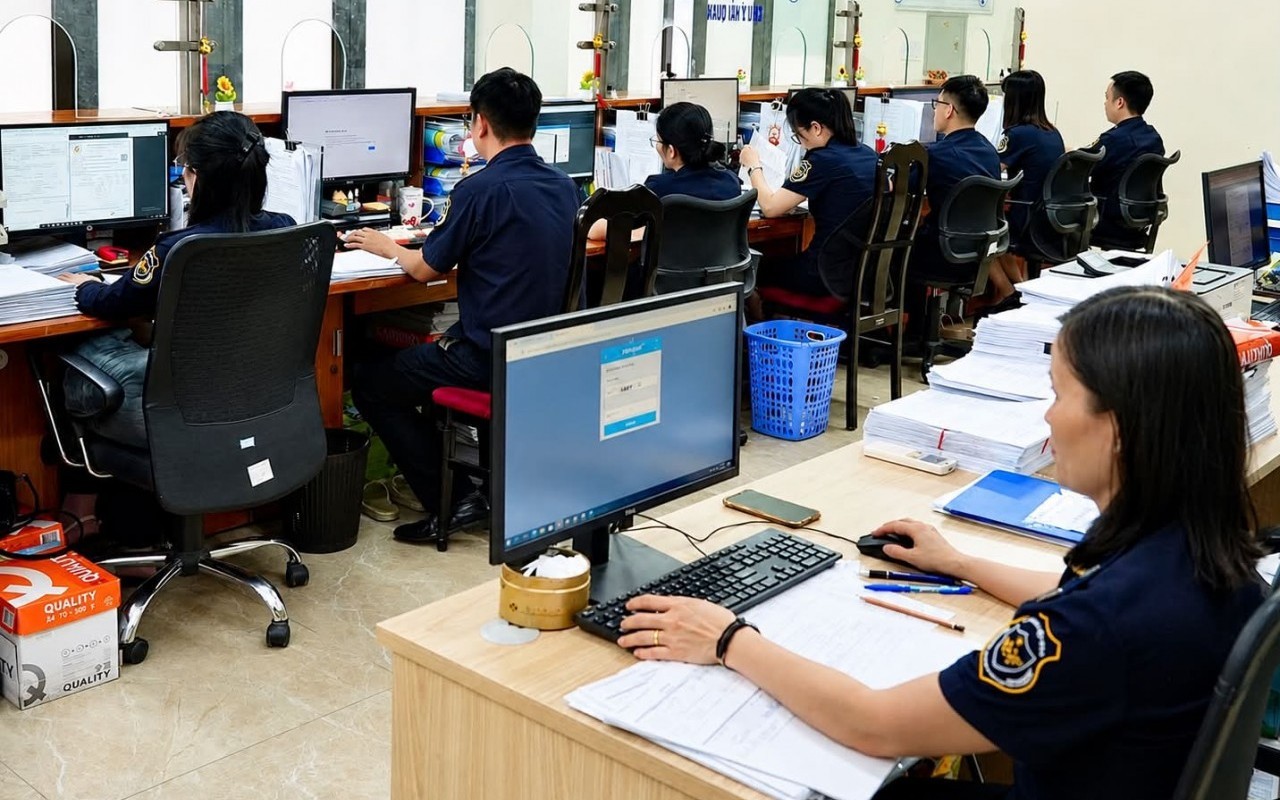
A business may be subject to physical inspection if:
- It is a new business without a clear compliance history.
- The goods are high-value or sensitive (medicines, food, electronics, used machinery, etc.).
- The declaration shows unusual signs (wrong description, HS code, value, etc.).
- The risk-warning system is triggered by customs data.
- The shipment falls within a scheduled or ad-hoc inspection plan.
🔧 4. The Process When Goods Are Physically Inspected
- Step 1: Receive the inspection notice – when the declaration is routed to the red channel, customs will require a physical inspection of the goods.
- Step 2: Prepare for inspection – the business coordinates with the warehouse and the port/ICD to open the packages and arrange the goods.
- Step 3: Customs carries out the inspection – checking all or part of the shipment and drawing up an inspection record.
- Step 4: Conclusion and handling – if the declaration is correct → clearance; if it is wrong → penalty, tax adjustment or confiscation.
💡 5. Tips to Reduce the Risk of Physical Inspection
- Declare to customs honestly and accurately.
- Prepare complete, valid documents.
- Pack the goods in an organised way that is easy to inspect.
- Work with a reputable logistics provider.
- Maintain a good compliance history with customs to reduce risk.
📞 Do You Need Support with Physical Inspection?
Embassy Joint Venture Company specialises in providing:
- Professional customs declaration
- Fast physical-inspection support
- Advice on HS codes and tax policy
- Freight from Europe to Vietnam, especially the Italy – Vietnam route
📞 Hotline: 0901860743
📍 Office: P4.25, 4th Floor, No. 8 Hoang Minh Giam, Ward 9, Phu Nhuan District, Ho Chi Minh City
🌐 Website: www.embassylogistics.vn
Contact for Consultation:
- 0901860743 (HCM) – Embassy Freight Services (VN) Southern Region
- 0937361637 (Hanoi) - Embassy Freight Services (VN) Northern Region
Need a shipping & customs clearance quote?
Embassy Freight provides ocean freight, air freight, customs declaration and full-service import-export outsourcing. Get a free quote or explore our services.