In international trade, especially when importing from China, the term "official import" comes up very often. Yet not everyone fully understands exactly what it means, or the difference between official and unofficial imports.
Understanding the different forms of import helps businesses and individuals choose the right approach, optimize costs and limit legal risk. In this article, we'll take a detailed look at official imports, compare them with unofficial imports and offer practical advice for each case.
What Are Official Imports?
Official import is a form of importing goods through formal commercial channels, in full compliance with the law regarding:
- The foreign trade contract
- The commercial invoice
- The packing list
- The customs declaration
- The certificate of origin (CO)
- The certificate of quality (CQ) (if applicable)
Officially imported goods are inspected, cleared and taxed in accordance with state regulations.
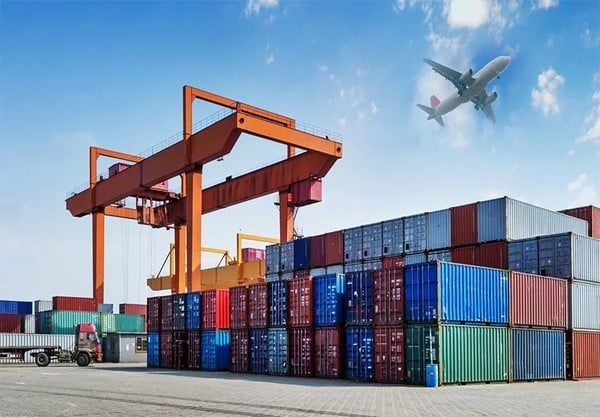
Characteristics of Official Imports
- High legal standing: all goods come with complete, transparent paperwork.
- Protected by law: in the event of a dispute, the business can use its documents to resolve it.
- VAT invoicing: suitable for businesses that need to declare taxes and legitimize their costs.
- Suited to large scale: especially for businesses importing large volumes over the long term.
What Are Unofficial Imports?
Alongside official imports, another common form is unofficial (small-scale border) import. This means importing goods through:
- Border-resident exchange
- Trails and informal crossings
- Unofficial channels
Characteristics:
- Simple procedures
- Little paperwork required
- Fast turnaround
However, this form carries many risks.
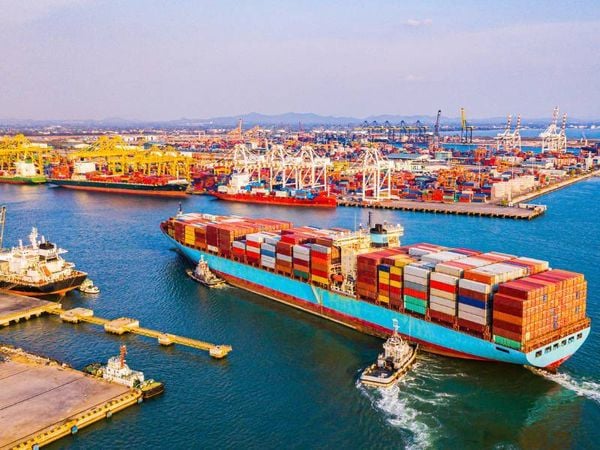
Official vs. Unofficial Imports: A Comparison
| Criterion | Official | Unofficial |
| Legal standing | Complete | Unclear |
| Documentation | Complete | Limited |
| Tax | Yes | Usually none |
| Risk | Low | High |
| Cost | Higher | Lower |
| Best suited to | Businesses | Small individual traders |
The Risks of Unofficial Imports
Although costs are low and procedures are simple, unofficial imports carry many risks:
- No invoices or documents: hard to declare taxes; not legal for large-scale business
- Risk of goods being held: due to incomplete declarations and unclear origin
- No legal protection: disputes are very hard to resolve
- Policy shifts: controls can be tightened at any time
When Should You Choose Official Imports?
You should use official imports when you:
- Are in business for the long term
- Want to build a brand
- Need to issue VAT invoices
- Import in large volumes
- Are a business
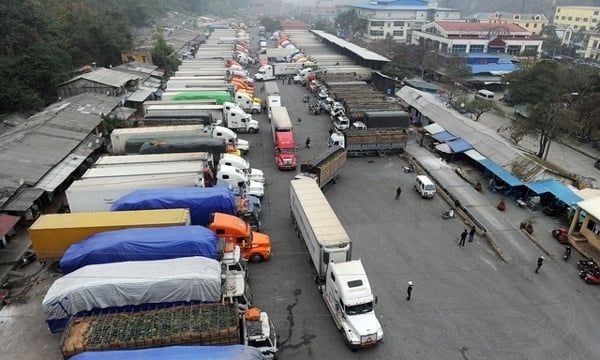
>>>See More: On-Demand Import-Export Staffing Nationwide
When Might Unofficial Imports Be Worth Considering?
Unofficial imports may be suitable for: testing the market, small-scale purchases, short-term business, and so on. Even so, weigh the risks carefully.
The Current Trend: A Shift Toward Official Imports
At present, the Vietnamese government is:
- Tightening import management
- Stepping up border controls
- Requiring transparency of goods' origin
This is making the shift toward official imports increasingly clear, especially for:
- E-commerce marketplaces
- Export businesses
- Major brands

Optimal Solutions for Businesses
To import officially and effectively, you need:
✔ A professional logistics provider
- Support with documentation
- Guidance on the process
- Cost optimization
✔ A clear import plan
- Budget for costs
- Calculate taxes
- Choose your source of goods
✔ A clear grasp of the legal regulations
- Avoid mistakes
- Avoid fines
Common Mistakes
❌ Choosing only the cheapest option → likely to face major risks
❌ Not checking the documents → problems at customs clearance
❌ Not calculating total costs → your profit takes a hit
Conclusion
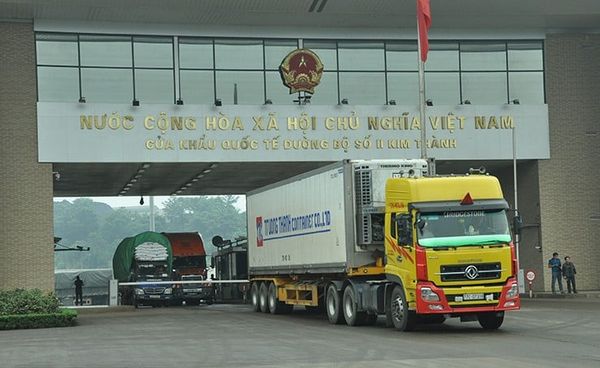
Official import is a safe, transparent form that aligns with the long-term development of a business. Although the costs may be higher than unofficial imports, the benefits in terms of legal standing, brand and stability are well worth it. If you're looking for a reliable, high-quality official import service provider, contact Embassy Freight now via Hotline: 0901860743 for the earliest possible advice and quotation.
Contact for consultation:
- 0901860743 (HCMC) – Embassy Freight Services (VN), Southern Vietnam
- 0937361637 (Hanoi) - Embassy Freight Services (VN), Northern Vietnam
Need a shipping & import-export quote?
Embassy Freight provides ocean freight, air freight, customs clearance and turnkey import-export desk rental. Get a free quote or explore our services.