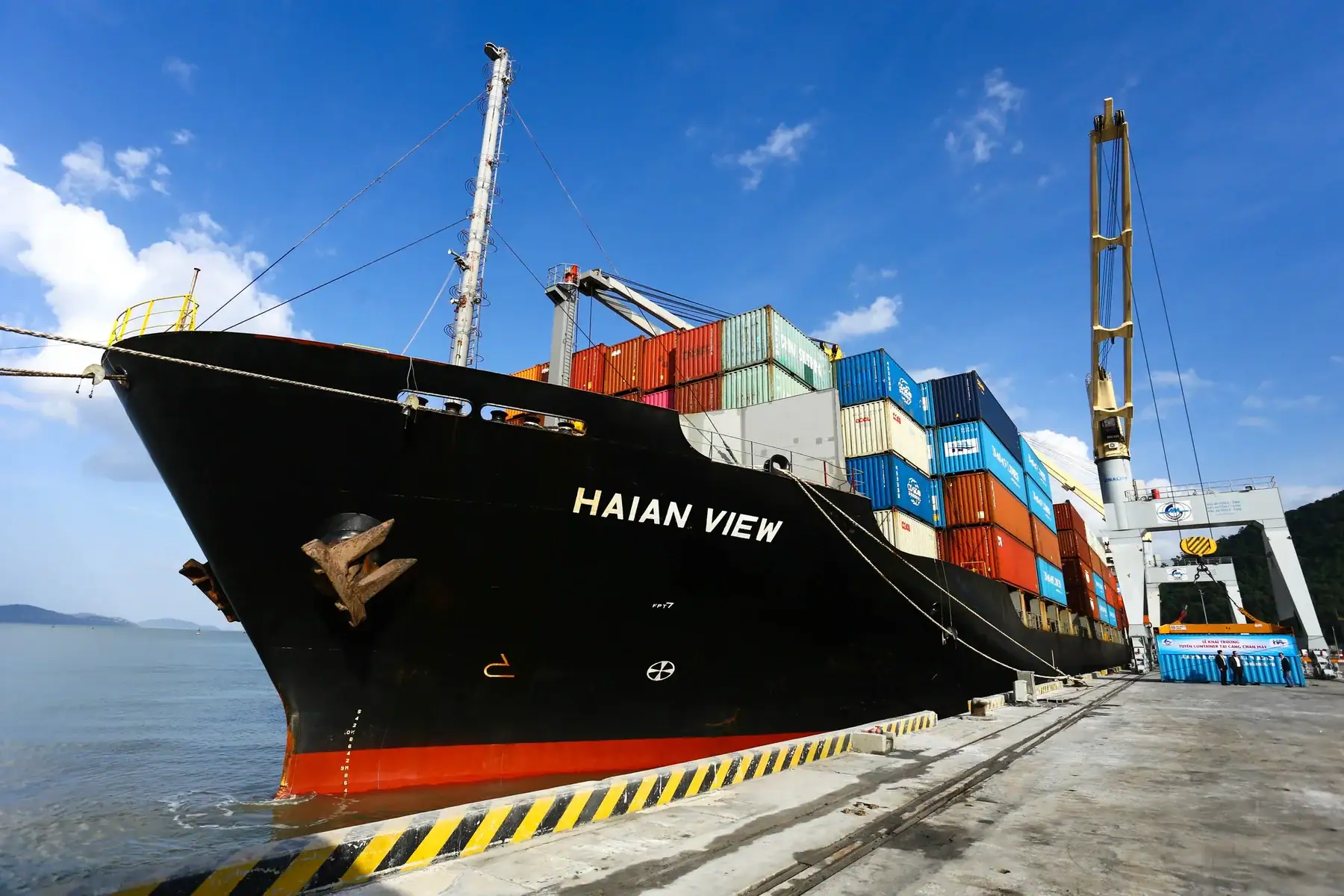
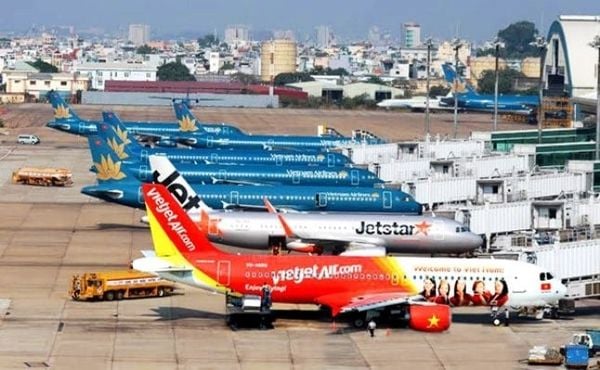
When Long Thanh International Airport becomes operational, it will be one of Vietnam's largest logistics and air transport hubs, playing a key role in the import-export supply chain.
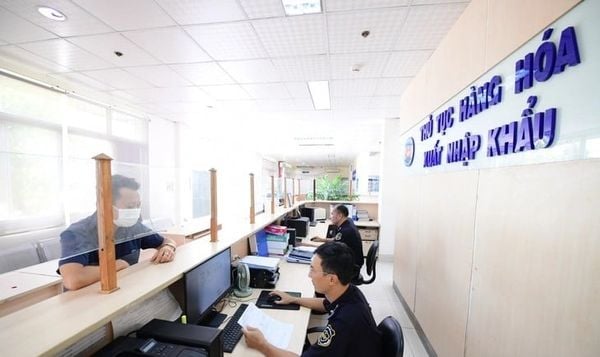
Customs procedures at Vietnam's air border gates are carried out mainly on the VNACCS/VCIS system, combined with the national single-window mechanism and risk-management processes. The customs declarant must prepare complete documentation, declare accurately and fulfill tax obligations as required for the goods to be cleared smoothly.
In this article, we provide a detailed guide to the customs declaration process at Long Thanh Airport from A to Z, suitable for both newly established businesses and regular import-export operators.
What Is Customs Declaration?
Customs declaration is the process by which an exporter or importer provides information about the goods, means of transport and related documents to the customs authority in order to carry out export or import procedures as required. Through the declaration, the customs authority will:
- Check the legality of the goods.
- Determine the goods management policy.
- Calculate and collect the various taxes.
- Assign an inspection channel.
- Allow the goods to be cleared.
For air freight, processing speed matters greatly because storage time is usually short and airport storage costs are quite high.
Documents to Prepare
Before declaring customs, the business needs to prepare complete documentation. This usually includes:
- Commercial Invoice.
- Packing List.
- Foreign trade contract.
- Air Waybill.
- Certificate of Origin (C/O), if available.
- Catalogue or technical documentation.
- Import license (if subject to management).
- Quarantine certificate.
- Quality inspection results.
- Product declaration file for items that require it.
Preparing complete documentation from the outset significantly reduces processing time and limits the need to supplement documents after opening the declaration.
Conditions for a Business to Declare Customs
A business needs to meet some basic conditions, such as:
- Having an active tax code.
- Having a valid digital signature.
- Being registered to use the VNACCS electronic customs declaration system.
- Having an electronic tax payment account.
- Having suitable electronic customs declaration software.

The Customs Declaration Process at Long Thanh Airport from A to Z
Step 1: Check the Documents and Product Policy
This is the most important step. The business needs to determine:
- Whether the goods are prohibited.
- Whether an import license is required.
- Whether specialized inspection is required.
- Whether quarantine is required.
- The applicable tax rate.
- The correct HS code.
Skipping this step makes it easy for a business to have to amend the declaration or have goods held.
Step 2: Determine the HS Code
The HS code is the basis for:
- Calculating import duty.
- Calculating VAT.
- Applying tax incentives.
- Determining the management policy.
Declaring the wrong HS code can lead to:
- Back-tax collection.
- Administrative penalties.
- Delayed clearance.
- Post-clearance audit.
Therefore, the business should review it carefully or consult an experienced advisor.
Step 3: Prepare the Documents
After determining the product policy, prepare all documents for the declaration. All information on the Invoice, Packing List, Air Waybill and contract must be consistent in terms of:
- Product name.
- Quantity.
- Unit price.
- Delivery terms.
- Shipper.
- Consignee.
Step 4: Electronic Customs Declaration
The declarant uses software connected to the VNACCS system to enter the shipment information.
The system will receive the data, automatically check the criteria and return a result before the declaration is officially registered. The electronic declaration process is carried out through operations on VNACCS and allows information to be declared, amended or supplemented as required.
Step 5: Register the Declaration
Once the business confirms that all the information is accurate, the system will issue a declaration number. From this point, the file is officially received by the customs authority for processing.
Step 6: System Channel Assignment
After the declaration is registered, the system automatically assigns a channel.
Green Channel
- Exempt from document inspection.
- Exempt from inspection of goods.
- Fast clearance once tax obligations are fulfilled (if any).
Yellow Channel
- Inspection of paper or electronic documents.
- No physical inspection of goods if the documentation is valid.
Red Channel
- Document inspection.
- Physical inspection of goods.
- Cleared only after the inspection is completed.
The channel assignment mechanism is based on risk management and the enterprise's level of compliance.
Step 7: Pay Taxes and Other Amounts Due
If the shipment incurs taxes, the business must complete:
- Import duty.
- Value-added tax.
- Special consumption tax (if any).
- Environmental protection tax (if any).
Electronic tax payment shortens processing time and synchronizes the data with the customs system.
Step 8: Specialized Inspection (If Applicable)
Some items must undergo:
- Plant quarantine.
- Animal quarantine.
- Quality inspection.
- Food safety inspection.
- Energy efficiency inspection.
- Declaration of conformity.
The business must complete these requirements before the goods are permitted to be cleared.
Step 9: Clearance of the Goods
- Valid documentation.
- Taxes completed.
- Specialized inspection passed.
- Customs approval.
The system will confirm clearance and the business can proceed to receive or deliver the goods.
Common Mistakes Businesses Make
- Declaring the wrong HS code.
- Wrong product name.
- Wrong declared value.
- Missing licenses.
- Missing C/O.
- Declaring the wrong Incoterms.
- Inconsistent documents.
- Not updating new regulations.
These errors can cause goods to be delayed in clearance and incur additional storage and demurrage costs.
Tips for Faster Clearance
To ensure a smooth customs declaration at Long Thanh Airport, businesses should:
- Check documents before transmitting the declaration.
- Classify the HS code correctly.
- Prepare all specialized licenses.
- Proactively pay taxes electronically.
- Monitor the declaration status regularly.
- Coordinate closely with the carrier and the warehouse.
- Use professional customs declaration services for complex shipments.
Conclusion
A clear understanding of the customs declaration process at Long Thanh Airport from A to Z helps minimize risks and optimize logistics costs. Preparing complete documentation, declaring accurately, complying with regulations and coordinating with customs are the decisive factors for fast clearance of the goods.
If a business has little experience or frequently handles shipments with special requirements, choosing a provider of professional customs declaration services will help save time, limit errors and improve efficiency across the entire supply chain.
We are committed to delivering optimal solutions that save time, cut costs and minimize risks throughout the import-export process via Long Thanh Airport. Contact Embassy Freight now via Hotline: 0901860743 for prompt advice and a quote!
Need a freight & customs quote?
Embassy Freight supports ocean and air freight, customs declaration and full-service import-export department outsourcing. Get a free quote or view our services.