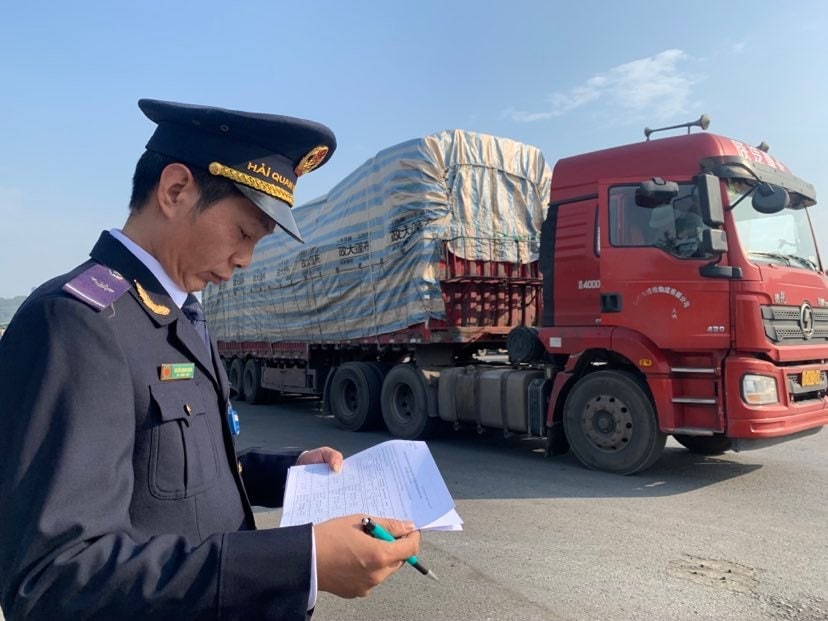
In import-export operations, the C/O (Certificate of Origin) is one of the most important documents for a business to enjoy tariff preferences under the free trade agreements (FTAs) that Vietnam has joined. In practice, however, quite a few businesses that meet the export conditions still fail to receive the preferential tariff rate because of mistakes made while applying for or using the C/O.
Seemingly minor errors—such as declaring incorrect information, choosing the wrong C/O form, submitting late, or failing to meet the rules of origin—can all cause a business to miss out on tariff preferences, driving up import costs and affecting competitiveness. So what mistakes are commonly made when applying for a C/O? How can you limit the risks and make the most of the preferences offered by FTAs? Let's find out in the article below.
What Is a C/O?
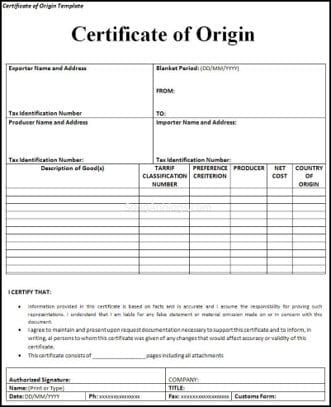
A C/O (Certificate of Origin) is a document confirming the origin of the goods, issued by a competent authority or organization as prescribed. A C/O serves to:
- Prove the origin of the goods.
- Serve as the basis for enjoying tariff preferences under FTAs.
- Meet the requirements of the customs authority of the importing country.
- Support trade control and prevent origin fraud.
Why Is a C/O Important?
If it fully meets the conditions and holds a valid C/O, a business can:
- Enjoy a preferential tariff rate or a 0% rate.
- Significantly reduce import costs.
- Increase price competitiveness.
- Shorten customs processing time in many markets.
Conversely, if the C/O is invalid or does not meet the regulations, the business may have to apply the higher standard tariff rate.
1. Choosing the Wrong C/O Form
There are now many C/O forms corresponding to each free trade agreement. For example:
- C/O Form D (ATIGA).
- C/O Form E (ASEAN – China).
- C/O Form AK (ASEAN – South Korea).
- C/O EUR.1 (EVFTA, in applicable cases).
- Origin certification documents as prescribed by each FTA.
Choosing the wrong form can lead the importing country's customs authority to refuse the tariff preference.
2. Failing to Meet the Rules of Origin
This is one of the most common causes. A business needs to determine whether the goods meet the rules of origin under the corresponding FTA, for example:
- Regional Value Content (RVC).
- Change in Tariff Classification (CTC).
- Specific processing or manufacturing operations.
- Other origin criteria under each agreement.
If the rules of origin are not met, the C/O may not be accepted.
3. Declaring Incorrect Information on the C/O
Common errors include: wrong business name, wrong address, wrong item name, wrong HS code, wrong quantity, wrong weight, wrong Invoice number, wrong Bill of Lading number, wrong document issue date, and so on. The information on the C/O must be consistent with other documents such as the Commercial Invoice, Packing List and bill of lading.
4. Submitting the C/O Past the Deadline
Some agreements set a deadline for presenting the C/O in order to enjoy tariff preferences. If a business submits after the deadline or fails to meet the conditions of the importing country's customs authority, its right to the preference may be affected.
5. Not Keeping Records Proving Origin
In addition to the C/O, a business needs to keep documents proving origin, such as: raw-material purchase invoices, import documents, production records, material norms, production processes, and so on. These records may be requested when a competent authority inspects or verifies origin.
6. Determining the Wrong HS Code
The HS code directly affects: the applicable rules of origin, the tariff rate, the goods management policy, and so on. If the HS code is declared incorrectly, a business may apply the wrong rules of origin and be refused the tariff preference.
7. Not Checking the Regulations of Each FTA
Each free trade agreement has its own regulations on: the conditions for enjoying preferences, the rules of origin, the form of origin certification, the supporting dossier, and so on. A business should not apply the regulations of one FTA to another agreement.
8. Not Checking Consistency Between Documents
The information on the Commercial Invoice, Packing List, Bill of Lading, customs declaration, C/O, and so on must be consistent in terms of: item name, goods description, quantity, weight, delivery terms, seller and buyer information, and so on. Differences between documents can lead the customs authority to require an explanation or refuse the preference.
9. Not Monitoring Policy Changes
FTAs and origin regulations may be updated over time. Businesses need to regularly monitor:
- New regulations.
- Guidance from the competent authority.
- Changes to document forms or the C/O issuance process.
10. Relying Entirely on the Service Provider
Many businesses hand the entire C/O application over to a service provider without checking the information themselves. This can lead to errors if:
- The declared information is inaccurate.
- The dossier is incomplete.
- New regulations are not kept up to date.
The business remains the party responsible for the accuracy of the dossier.
How to Apply for a C/O Correctly?
- Determine the correct HS code.
- Check the rules of origin before signing the contract.
- Choose the correct C/O form.
- Cross-check all documents before submitting.
- Keep complete records proving origin.
- Keep up to date with the new regulations of each FTA.
- Work with your import-export department and an experienced advisory firm.
Mistakes Businesses Commonly Make
- Only paying attention to the C/O when the goods are about to be exported.
- Not checking the rules of origin.
- Wrong HS code.
- Not cross-checking information between documents.
- Lacking records proving the origin of raw materials.
- Submitting the C/O late.
- Not keeping records after the C/O is issued.
These mistakes not only cost tariff preferences but can also affect a business's reputation in international transactions.
Conclusion
The C/O is the document that helps you take advantage of tariff preferences under free trade agreements. However, just one small mistake in the process of applying for or using a C/O can prevent a business from enjoying the preference, increase import costs and affect business performance.
To limit the risks, a business needs to determine the correct HS code, understand the rules of origin clearly, choose the correct C/O form and check the consistency of the documents. Proactively keeping up with new regulations and working with experienced advisory firms will help you effectively capture the benefits of FTAs.
If you are looking for a reputable, quality provider of C/O application services, contact Embassy Freight right away via Hotline: 0901 860 743 for advice and a quote as soon as possible!
Need a shipping & import-export quote?
Embassy Freight offers sea freight, air freight, customs clearance and a full-service outsourced import-export department. Get a free quote or explore our services.