In import-export, having a customs declaration routed to the red channel is something every business wants to avoid. In the red channel, a shipment undergoes both a document check and a physical inspection of the goods, prolonging clearance time and generating storage, yard and labor costs that affect the delivery schedule.
So why does a customs declaration get routed to the red channel? The article below helps you understand the common causes and shares tips to reduce the risk of red-channel routing during customs procedures.
What Is Red-Channel Routing?
The VNACCS system automatically routes declarations into three levels:
- Green channel: exempt from document and goods inspection, cleared quickly.
- Yellow channel: customs document check.
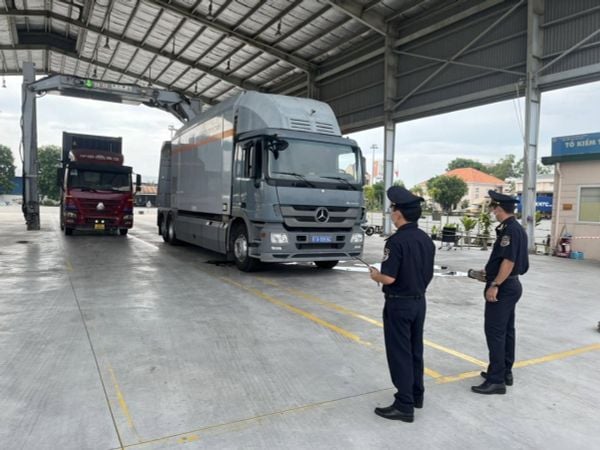
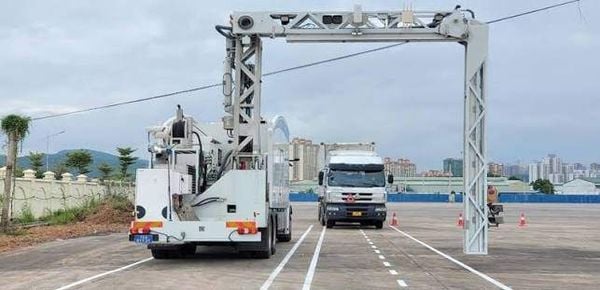
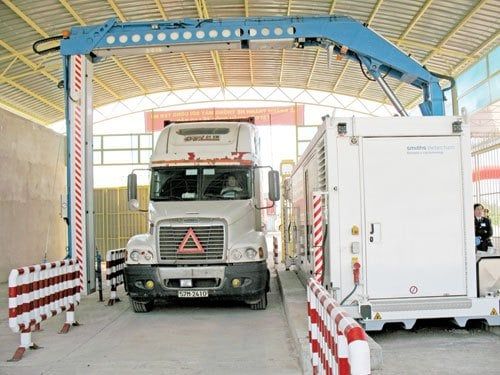
- Red channel: document check and physical inspection of the goods before clearance.
For the red channel, customs officers may inspect part or all of the shipment to verify the declared information.
1. Newly Established Businesses
This is a fairly common cause. New businesses with no import-export history or with few declarations have not yet been assessed by the system for their level of legal compliance. As a result, the probability of yellow or red channel routing is usually higher. How to limit it
- Declare accurately from the very first shipments.
- Prepare complete documentation.
- Comply properly with tax and customs regulations.
2. Inaccurate Customs Declaration Documentation
Errors in the documentation are a reason many businesses face physical inspection. Some common errors include: wrong HS code, wrong product name, wrong quantity, wrong unit price, wrong declared value, and missing documents.
If the information on the invoice, packing list, contract or C/O is inconsistent, the system will assess it as risky and increase the likelihood of red-channel routing.
3. HS Codes with a High Risk Level
The HS code determines: import duty, VAT, goods management policy and import-export conditions. If a business declares an HS code in a category prone to trade fraud or frequent code disputes, the likelihood of inspection is higher.
For example: machinery, electronic components, medical equipment, chemicals, cosmetics, functional foods, and so on. The correct HS code must therefore be determined before opening the declaration.
4. Goods on the Specialized Management List
Many goods must have: an import license, quarantine, quality inspection, food safety inspection, conformity certification and a declaration of conformity. If a business has not completed the documentation or the documents are not valid, the risk of red-channel routing is very high.
5. Businesses with a History of Violations
The Customs risk management system always stores compliance history. If a business has previously: declared the wrong value, declared the wrong HS code, owed taxes, paid taxes late, been subject to administrative penalties or violated import-export regulations, then its subsequent shipments will be at risk of red-channel routing.
6. Unusually Low Declared Value
Declaring a value far lower than the Customs reference database will cause the system to flag signs of: tax fraud, value understatement and transfer pricing.
In this case, Customs may: request an explanation, conduct a value consultation and physically inspect the goods. This significantly prolongs clearance time.
7. Goods Showing Signs of Risk
Some categories are always closely managed, such as: chemicals, lithium batteries, electrical equipment, frozen goods, pharmaceuticals, cosmetics, scrap and used machinery.
In addition, goods with unusual characteristics in terms of: weight, category, value or country of export are also prone to red-channel routing.
8. Thematic Inspections or Random Controls
Not every case of red-channel routing is due to incorrect declaration. At various times, Customs authorities carry out: campaigns against trade fraud, checks against transfer pricing, origin checks, counterfeit goods checks and random checks based on risk management ratios. Even a well-compliant business may be selected for inspection.
What Should a Business Do When Routed to the Red Channel?
If a declaration is routed to the red channel, a business should:
- Prepare complete documentation: invoice, packing list, contract, bill of lading, C/O (if any), catalogue, quality certificate, specialized license.
- Coordinate with customs officers: good cooperation helps the inspection proceed quickly and limits complications.
- Prepare inspection staff: a business needs to assign staff to: open the container, handle the goods, count them and repack them after inspection.
- Provide explanations when necessary: if there is a discrepancy between the documentation and the actual goods, the business needs to explain it clearly and provide supporting documents to avoid penalties.
How to Reduce the Risk of Red-Channel Routing
To increase the chances of green or yellow channel routing, a business should:
- Declare truthfully and accurately.
- Apply the correct HS code.
- Prepare complete documentation.
- Pay taxes on time.
- Maintain a good compliance history.
- Carefully check the documentation before transmitting the declaration.
- Regularly update new Customs regulations.
- Work with an experienced logistics provider or customs broker.
Building a good compliance history helps the risk management system assess a business as lower risk in subsequent declarations.
Costs That May Arise from Red-Channel Routing
A business may incur additional: container demurrage, storage fees, lift-on/lift-off costs, physical inspection costs, labor costs, additional transport costs, the risk of delayed delivery and damage to its reputation. Preparing complete documentation from the outset therefore helps a business save considerable cost and time.
Conclusion
A customs declaration being routed to the red channel does not mean a business has broken the law. In many cases, it is simply part of the risk management mechanism to ensure transparency and compliance in import-export activities. Understanding the 8 reasons a customs declaration gets routed to the red channel helps a business proactively review its documentation, declare accurately and build a good compliance history. This not only helps shorten clearance time but also minimizes additional costs.
If you are looking for a reputable, high-quality provider of customs declaration services, contact Embassy Freight right away via Hotline: 0901 860 743 for the earliest possible consultation and quotation!
Need a shipping and import-export quotation?
Embassy Freight provides sea freight, air freight, customs declaration and turnkey import-export outsourcing. Get a free quote or explore our services.